Black Mold vs. Regular Mold: What’s the Difference?
Not all mold is the same. Homeowners often hear the term “black mold” and wonder how it differs from other types of mold commonly found in homes.
Understanding the difference can help you make informed decisions about inspection and remediation.
What Is Black Mold?
Black mold typically refers to Stachybotrys chartarum, a mold that grows in areas with prolonged moisture exposure, such as after water damage or leaks.
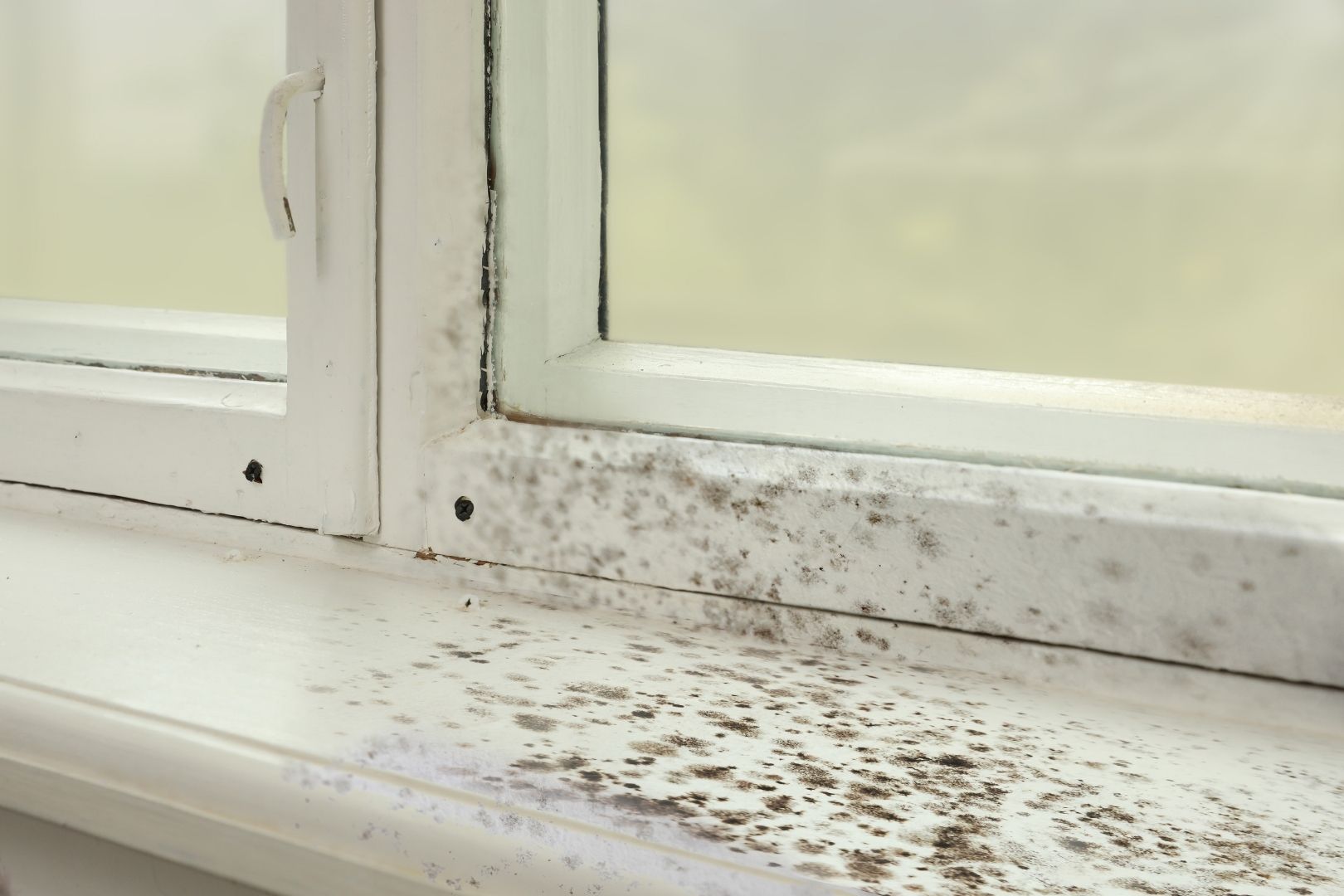
It often appears dark green or black and thrives on materials like drywall, wood, and insulation.
What Is Regular Household Mold?
Regular household mold includes many species that may appear green, gray, white, or brown. These molds also grow in damp environments and can spread if moisture issues persist.
Key Differences Between Black Mold and Other Mold Types
Moisture Requirements: Black mold usually needs long-term moisture
Location: Often found after water damage
Identification: Requires professional testing for confirmation
Removal Process: Both require certified remediation
Visually identifying mold type isn’t reliable — testing and inspection are the only accurate methods.
Do Both Types Require Professional Removal?
Yes. Any mold growth should be addressed properly to prevent spreading and recurrence. Certified remediation ensures safe containment, removal, and moisture correction.


